November 8, 2026
A Practical Guide to Eliminating Product Buildup for Cleaner Hair
By @removeresiduefromhairhouse
Why hair feels heavy even after washing
Many people wash their hair regularly yet still struggle with flat, dull, or sticky strands. The culprit is often not a lack of cleanliness but an excess of product accumulation. Conditioners, styling gels, dry shampoos, and even certain ingredients in regular shampoos can leave a film on the hair shaft. Over time, this layer traps dirt and oils, making hair feel weighed down and look lifeless. Understanding what causes this buildup is the first step toward restoring your hair's natural bounce and clarity.
What exactly is product buildup?
Product buildup refers to the leftover residue that styling and cleansing products leave behind. Most commercial shampoos contain conditioning agents, silicones, and polymers that coat the hair to create smoothness and shine. While these ingredients can be beneficial in the short term, they are not always fully removed by water or typical shampooing. The residue accumulates layer by layer, and eventually, it can interfere with moisture absorption and even alter how hair responds to treatments. For people who use many products or who have hard water, the effect can be especially noticeable.
The problem is not limited to visible greasiness. Buildup can also change the hair's porosity. High porosity hair, which absorbs moisture quickly but loses it just as fast, may become even more porous if coated with residue, while low porosity hair might repel water altogether if the surface is sealed with a film. This is where understanding how to properly remove residue from hair becomes important for maintaining a healthy balance.
Signs your hair may have buildup
Recognizing buildup is not always straightforward. Some common indicators include:
- Hair that feels stiff or sticky even after shampooing
- Difficulty lathering shampoo, as if the suds disappear quickly
- Strands that look dull or lack natural shine
- Products that do not seem to work as well as they used to
- Flaking that is not dandruff but rather dried product particles
If any of these sound familiar, your scalp and hair could be carrying a layer of residue that a standard wash cannot shift. The good news is that with a targeted approach, you can restore cleanliness without resorting to harsh chemicals.
Common causes of stubborn residue
Several factors contribute to buildup, and they often work together. Silicones are a frequent offender, especially dimethicone and its derivatives, which are added to many conditioners and serums to provide slip. While they create an immediate silky feel, they are not water-soluble and require strong surfactants to be removed. Similarly, waxes in styling products, such as those in pomades or hairsprays, can bind to the hair and resist regular shampooing. Hard water minerals like calcium and magnesium also deposit onto the hair, forming a crust that makes strands feel rough and brittle. Finally, overconditioning - applying too much product or not rinsing thoroughly - leaves behind a sticky film that attracts dirt.
Understanding the source of your particular buildup helps in choosing the right method to remove it. For example, a person who uses a lot of silicone-based serums may need a different approach than someone dealing mainly with hard water deposits.
Practical methods to clear buildup
A clarifying wash is the most straightforward technique. A clarifying shampoo contains stronger cleansing agents than a daily shampoo, designed to break down and lift away oils, silicones, and mineral deposits. When using one, it helps to focus on the scalp and roots first, then work the lather through the lengths. Rinse thoroughly and follow with a lightweight conditioner only on the ends to avoid re-depositing residue. Some people find that a single clarifying wash is enough, while others need to repeat it once a week for a few weeks if buildup is severe.
For those who prefer a gentler route, a chelating shampoo is effective against mineral buildup from hard water. Chelating agents bind to calcium and magnesium ions, allowing them to be rinsed away. This type of shampoo is less stripping than a strong clarifying formula but still requires care to avoid drying out the hair. Alternating between a clarifying wash and a moisturising shampoo helps maintain balance without over-cleansing.
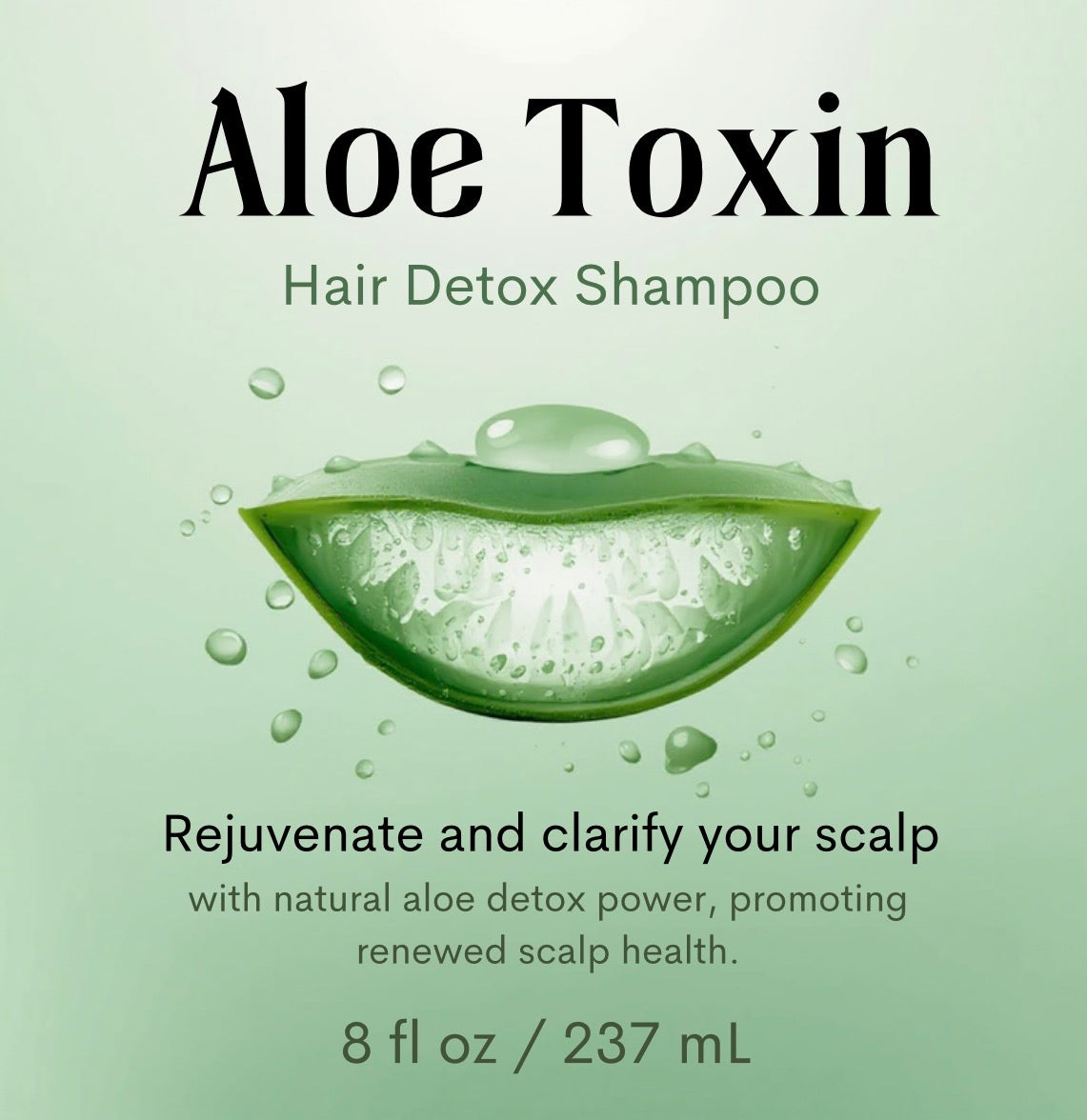
Another method involves using an apple cider vinegar rinse. The mild acidity helps dissolve alkaline residues and restore the scalp's natural pH. Mix one part vinegar with four parts water, pour it over freshly washed hair, let it sit for a minute, then rinse well. This approach is best used occasionally because the acidity can be irritating if overused. A more modern alternative is to look for formulations that include aloe vera, known for its gentle cleansing and soothing properties. Products based on aloe vera can help remove residue from hair without the stripping effect that some clarifying shampoos produce, making them suitable for regular use, especially for those with sensitive scalps.
What about natural oils and home remedies?
Some people turn to oil treatments, thinking that oil dissolves oil. While it is true that oils can help break down product buildup, the process is more nuanced. Applying a lightweight oil like jojoba or grapeseed to the scalp and hair before shampooing can loosen some residues, but it must be followed by a thorough wash to remove both the oil and the loosened buildup. Heavy oils like coconut or castor can actually contribute to more buildup if not fully rinsed out, so they are not ideal for this purpose. Baking soda is sometimes recommended, but its high alkalinity can damage the hair cuticle and disrupt the scalp's protective barrier, so it is better avoided or used with great caution.
Preventing future buildup
Once your hair feels clean again, the next step is keeping it that way. Simple habits make a big difference. Use products in moderation and pay attention to rinse times - many people do not rinse long enough. Alternating between your regular shampoo and a clarifying wash every two to four weeks can prevent residue from building up again. If you use heavy styling products, consider switching to water-based formulas that are easier to remove. Also, be mindful of your water quality. A shower filter can reduce the mineral content of your water and lower the rate of buildup.
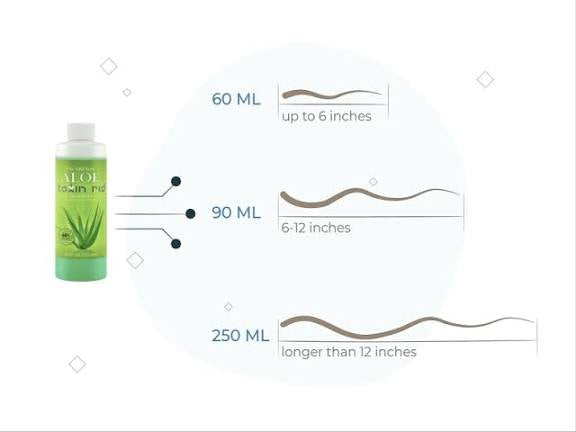
For those who have their hair tested in a laboratory setting - for example, to check for drug metabolites or nutritional deficiencies - ensuring that all external residues are removed is crucial. A detox shampoo specifically designed to prepare the hair for testing can provide an extra layer of assurance. These products are formulated to strip away not only cosmetic buildup but also pollutants and other environmental contaminants that could interfere with accurate results. In such cases, a single, well-formulated wash may be all that is needed to achieve a clean slate.
Choosing the right product for your hair type
Not every clarifying or detox product works the same for every hair type. Fine or chemically treated hair is more prone to damage from strong surfactants, so a mild formula with added moisturisers, like aloe vera, is preferable. Thick or curly hair may tolerate a stronger wash but could benefit from a follow-up deep conditioner. Pay attention to how your hair responds after each wash. If it feels straw-like or frizzy, the product might be too harsh or you may be overdoing the frequency. The goal is to remove impurities while preserving the hair's natural moisture and strength.
Ultimately, the process of keeping hair free from residue is about maintenance, not drastic measures. A regular, gentle routine tailored to your hair's needs will keep it light, clean, and responsive to whatever products you choose to use. And when you do need a thorough reset, knowing how to properly address buildup ensures you get the best results every time.
❧